Easy Miso Soup Recipe – Quick & Flavorful Bowl
Miso soup recipe is more than just a starter; it’s a warm hug in a bowl, a gateway to Japanese culinary traditions, and a surprisingly simple dish to master in your own kitchen. There’s a reason this humble soup holds such a special place in our hearts and on restaurant menus worldwide. Its delicate yet deeply savory flavor, derived from fermented soybeans, offers an unparalleled umami punch that awakens the palate. What truly sets miso soup apart is its incredible versatility and the comforting ritual it represents. Whether you’re seeking a light accompaniment to a hearty meal or a nourishing solo dish, this authentic miso soup recipe will guide you to a perfect bowl every time. Get ready to discover the secret to that irresistible depth of flavor and the comforting aroma that fills your home.
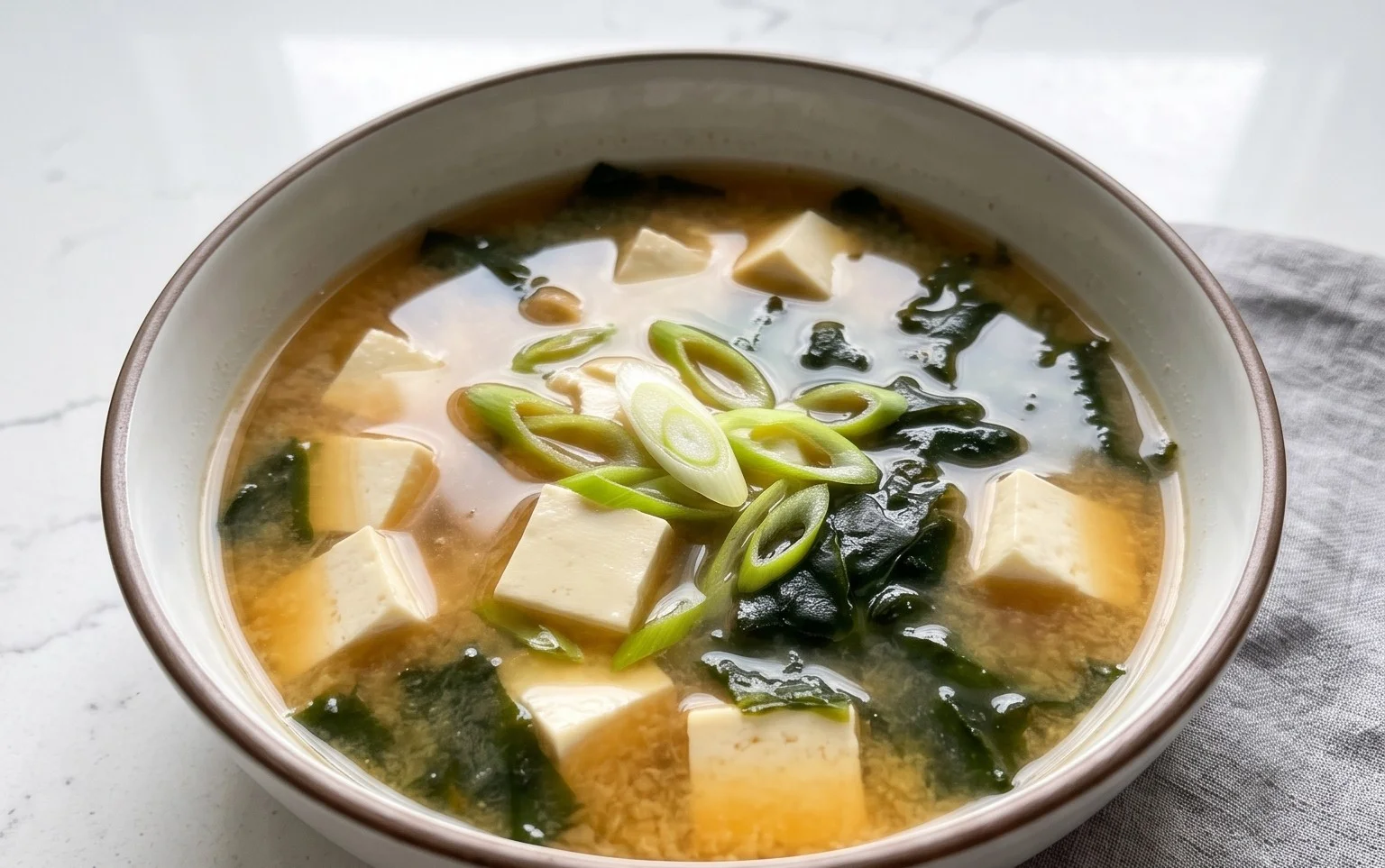
Authentic Miso Soup: A Comforting Bowl of Umami
There’s something incredibly comforting and deeply satisfying about a warm bowl of miso soup. It’s a staple in Japanese cuisine for a reason – it’s quick to make, packed with flavor, and wonderfully versatile. Whether you’re enjoying it as a light starter, a side to your sushi, or even as a light lunch, this simple recipe will guide you to a truly delicious and authentic miso soup. The beauty of miso soup lies in its simplicity and the depth of flavor that comes from just a few key ingredients. The star of the show, of course, is the miso paste itself, a fermented soybean paste that forms the savory, umami-rich base of the soup.
Ingredients:
Cooking Instructions:
This recipe is designed for speed and ease, making it perfect for a weeknight meal or when you’re craving something warm and nourishing without a lot of fuss. The key to a great miso soup is using good quality dashi, which provides the fundamental savory broth. You can purchase dashi powder or granules at most Asian grocery stores, or if you’re feeling adventurous, you can make your own from scratch using kombu (kelp) and katsuobushi (bonito flakes). For this recipe, we’ll assume you’re using instant dashi for convenience.
Preparing the Dashi Base
1. Begin extract by preparing your dashi. In a medium saucepan, combine the 2½ cups of water with your dashi granules or powder according to the package instructions. Typically, this involves dissolving a specific amount of dashi powder into boiling water. Bring the mixture to a gentle simmer over medium heat. You’ll want to ensure the dashi is fully dissolved and the broth is clear. Avoid bringin extractg it to a rolling boil for an extended period, as this can diminish its delicate flavor. This step forms the foundation of our soup, so take a moment to appreciate the subtle, oceanic aroma.
Rehydrating the Seaweed
2. While the dashi is heating, it’s time to prepare your dried seaweed. If you’re using wakame, which is the most common type for miso soup, it will likely come dried. Place the 1 heaping tablespoon of dried seaweed in a small bowl. Pour a small amount of warm water over it, just enough to cover the seaweed. Let it sit for about 5 to 10 minutes, or until it has rehydrated and softened. You’ll notice it expands significantly. Once rehydrated, drain any excess water. Some people prefer to rinse it briefly under cold water to remove any potential grit, though this is optional. This simple step adds a lovely texture and a boost of nutrients to your soup.
Incorporating the Tofu and Seaweed
3. Once your dashi is simmering gently and your seaweed is rehydrated, it’s time to add the other key ingredients. Carefully add the rehydrated and drained seaweed to the simmering dashi. Next, gently add the 4 oz of silken tofu, cut into small, bite-sized pieces. Be delicate when adding the tofu to avoid breaking it up too much; you want to maintain those lovely, soft cubes. Let the soup simmer for another 2 to 3 minutes. This allows the seaweed to soften further and for the tofu to warm through, absorbing the subtle flavors of the dashi.
The Art of Miso Integration
4. This is perhaps the most crucial step in making a perfect miso soup: adding the miso paste. It’s vital that you do not boil the miso paste, as boiling can destroy its delicate flavor and beneficial probiotics. Instead, in a separate small bowl or a ladle, scoop out about ½ cup of the hot dashi from the saucepan. Add your 2-2½ tablespoons of miso paste to this hot dashi. Whisk or stir vigorously until the miso paste is completely dissolved and forms a smooth slurry. This process ensures that the miso is evenly distributed throughout the soup and prevents clumps. The amount of miso paste can be adjusted to your personal preference; start with 2 tablespoons and add more if you desire a more intense, salty, and savory flavor.
Finishing Touches and Serving
5. Once the miso paste has been fully dissolved into the dashi, gently pour the miso slurry back into the saucepan with the rest of the soup. Stir gently to combine everything. Allow the soup to heat through for just another minute or two, but remember, it should never reach a boil. You’ll see the soup become slightly opaque as the miso emulsifies. Taste the soup and adjust seasoning if necessary by adding a little more miso paste if you want it stronger, or a splash more dashi if it feels too concentrated. Ladle the hot miso soup into individual bowls. Garnish generously with the 1 tablespoon of chopped scallions just before serving. The fresh, pungent bite of the scallions provides a wonderful contrast to the rich, savory broth. Serve immediately and savor the comforting warmth and complex flavors of your homemade miso soup.
Conclusion:
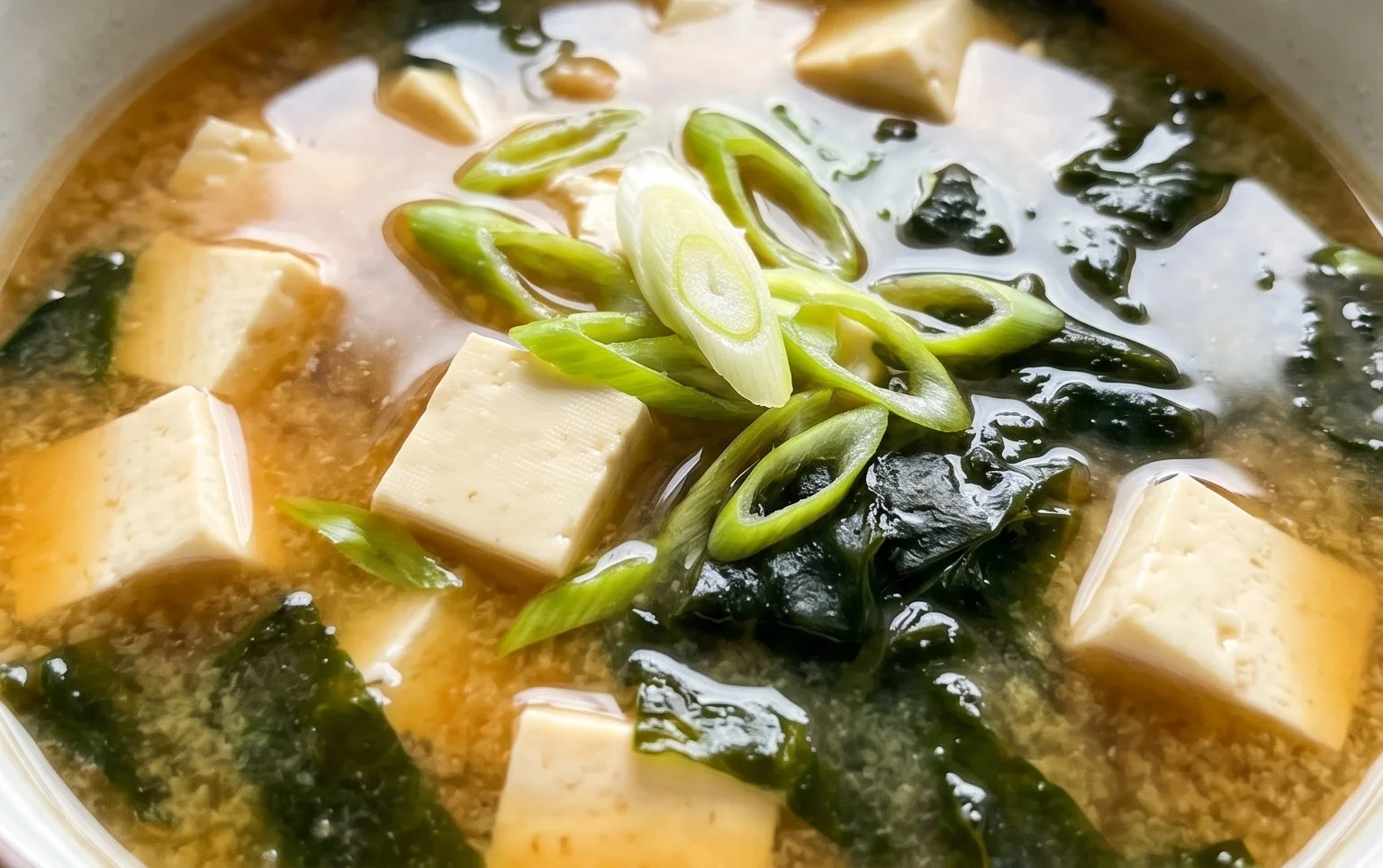
And there you have it! Crafting your own authentic miso soup at home is a surprisingly simple yet incredibly rewarding experience. This recipe is a winner because it’s wonderfully versatile, deeply comforting, and packed with umami-rich flavor that can be customized to your heart’s content. It’s the perfect starter for any meal, a light and nourishing lunch, or even a delightful late-night snack. We’ve explored how to make a classic version, but the beauty of miso soup lies in its adaptability. Feel free to add silken tofu for extra protein, a sprinkle of chili flakes for a bit of heat, or even some chopped green onions for a fresh burst of flavor. Don’t be afraid to experiment with different types of miso paste, like red miso for a bolder taste or white miso for a milder, sweeter profile. We truly encourage you to dive in and give this delicious miso soup recipe a try. You might just find your new go-to comfort food!
Frequently Asked Questions:
What kind of miso paste should I use?
You can use any type of miso paste you prefer! White (shiro) miso is mild and slightly sweet, perfect for begin extractners. Yellow (shinshu) miso is a good all-rounder, while red (aka) miso is robust and savory. Many people enjoy using a blend of two miso types for a more complex flavor profile.
Can I add other ingredients to my miso soup?
Absolutely! This recipe is a fantastic base. Popular additions include cubed silken or firm tofu, thinly sliced shiitake mushrooms, spinach, bok choy, wakame seaweed (rehydrated), and different types of noodles like ramen or udon. Don’t hesitate to get creative!
How do I store leftover miso soup?
It’s best to store leftover miso soup in an airtight container in the refrigerator for up to 2-3 days. However, it’s worth noting that the dashi broth can lose some of its vibrancy over time. If you plan to reheat, it’s recommended to warm it gently on the stovetop and avoid boiling, as this can affect the flavor and delicate nutrients of the miso. You might want to add fresh miso paste when reheating for the best taste.
Miso Soup Recipe
A simple and comforting classic Japanese miso soup.
Ingredients
-
2½ cups Dashi
-
1 heaping tablespoon dried seaweed
-
4 oz silken tofu (cut into small pieces)
-
2-2½ tablespoons miso paste (or to taste)
-
1 tablespoon scallion (chopped)
Instructions
-
Step 1
In a medium pot, bring the Dashi to a gentle simmer. -
Step 2
Add the dried seaweed to the simmering Dashi and let it rehydrate for about 2-3 minutes. -
Step 3
Gently add the silken tofu pieces to the pot. -
Step 4
In a small bowl, whisk the miso paste with a ladleful of the hot Dashi until smooth. This prevents clumps. -
Step 5
Pour the dissolved miso mixture back into the pot. Stir gently to combine. -
Step 6
Heat the soup gently until it is warmed through. Do not boil after adding miso, as this can diminish its flavor and beneficial properties. -
Step 7
Ladle the soup into bowls and garnish with chopped scallions.
Important Information
Nutrition Facts (Per Serving)
It is important to consider this information as approximate and not to use it as definitive health advice.
Allergy Information
Please check ingredients for potential allergens and consult a health professional if in doubt.