Spicy Potato Noodles – Deliciously Fiery Flavor
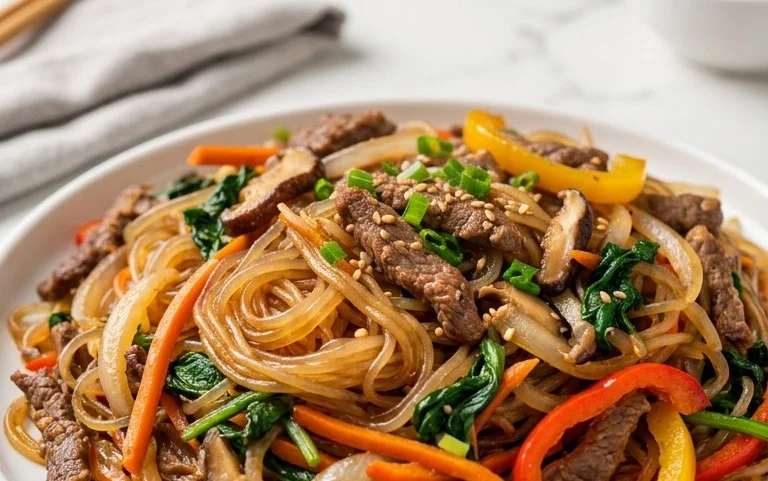
Spicy Potato Noodles are an absolute revelation for my taste buds, a dish I find myself craving on a regular basis. There’s something incredibly comforting yet exciting about these noodles, a perfect marriage of tender potato strands and a fiery, savory sauce. People absolutely adore this recipe for so many reasons – it’s surprisingly easy to whip up, making it a weeknight warrior, but it delivers flavor profiles that feel sophisticated and utterly satisfying. What truly makes Spicy Potato Noodles special is the textural contrast; the slight chew of the noodles against the crisp-tender vegetables and the rich, spicy broth is simply divine. It’s a dish that warms you from the inside out, leaving you with a happy, lingering heat and a desire for just one more bite. Get ready to fall in love!
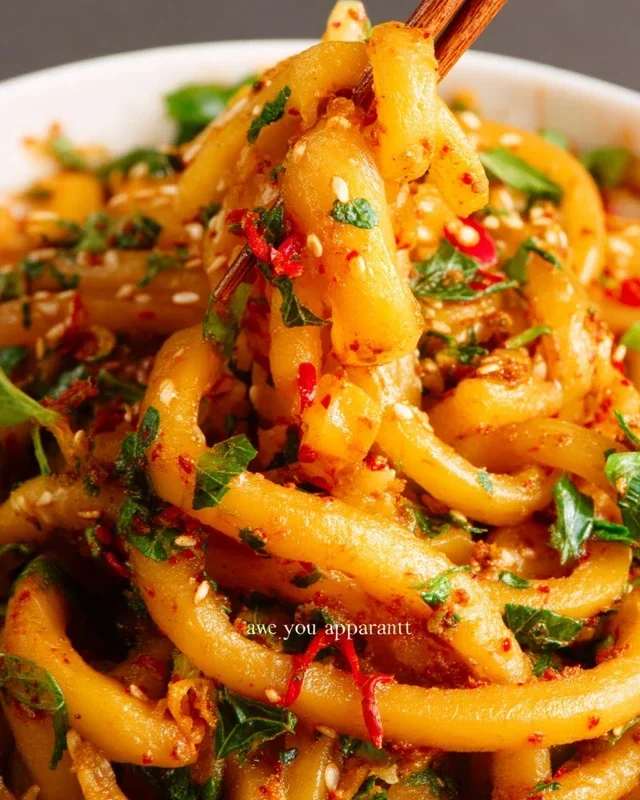
Spicy Potato Noodles
There’s something incredibly comforting and yet exciting about a bowl of steaming hot noodles. When you add a spicy kick and the satisfying chew of potato noodles, it’s a game-changer. These Spicy Potato Noodles are a revelation – deceptively simple to make, but packed with flavor and a texture that’s truly addictive. Forget store-bought noodles; once you try making these from scratch, you’ll understand the magic. The subtle sweetness of the potato and the satisfying heat from the chili flakes create a harmonious balance that will have you reaching for seconds. This recipe is perfect for a quick weeknight dinner or a flavorful lunch that’s sure to impress. Let’s dive into creating these delightful noodles!
Ingredients:
Making the Potato Dough
The foundation of these incredible noodles lies in the potato dough. It’s a straightforward process that yields a wonderfully elastic and chewy noodle. We’ll start by cooking our potatoes until they are fork-tender. This will make them easy to mash and incorporate into the dough.
1. First, place your peeled and chopped russet potatoes into a medium saucepan. Cover them with water, ensuring the water level is about an inch above the potatoes. Add the ½ teaspoon of salt to the water. This helps to season the potatoes from the inside out. Bring the water to a boil over medium-high heat, then reduce the heat to medium-low, cover, and simmer until the potatoes are very tender when pierced with a fork, which should take about 15-20 minutes. You want them soft enough to mash easily without any hard bits.
2. Once the potatoes are cooked, drain them thoroughly. Return the drained potatoes to the warm saucepan (off the heat) for about a minute to allow any excess moisture to evaporate. This is a crucial step to ensure your dough isn’t too wet. Then, using a potato masher or a fork, mash the potatoes until they are as smooth as possible. For an extra smooth dough, you can pass the mashed potatoes through a fine-mesh sieve or use a ricer.
3. Now it’s time to add the potato starch. Gradually add the 1½ cups of potato starch to the warm mashed potatoes. Begin extract mixing with a spatula or wooden spoon until a shaggy dough starts to form. The amount of starch needed can vary slightly depending on the moisture content of your potatoes, so be prepared to adjust if necessary. If the dough feels too sticky, add a tablespoon more potato starch at a time. If it seems too dry and crum extractbly, you can add a tiny bit of warm water, about a teaspoon at a time, until it just comes together.
4. Once the dough is mostly combined, turn it out onto a lightly floured surface (using a bit more potato starch for dusting). Knead the dough for about 5-7 minutes. The dough should become smooth, elastic, and no longer stick to your hands or the surface. It will feel firm but pliable. If it’s sticking excessively, add a touch more starch. If it feels too stiff, you can knead in a few drops of warm water. Once it’s smooth and elastic, form it into a ball, cover it with a damp kitchen towel or plastic wrap, and let it rest for at least 20 minutes. This resting period allows the gluten to relax, making the dough easier to work with.
Shaping and Cooking the Noodles
With our rested dough, we can now shape our noodles. The beauty of potato noodles is their flexibility in shape – they don’t have to be perfectly uniform to be delicious.
5. After the dough has rested, divide it into 2-3 equal portions for easier handling. On a lightly floured surface, take one portion of the dough and roll it out into a log about ¾ inch thick. You can also roll it out flatter and cut strips, but the log method is simpler for begin extractners and creates a satisfyingly thick noodle. Cut the log into ½ inch pieces. You can then either leave them as little pillows, or gently roll each piece between your palms to slightly lengthen them. As you shape the noodles, place them on a lightly floured tray or plate to prevent sticking.
Crafting the Spicy Sauce and Assembling
The sauce is where all the flavor magic happens! It’s a simple yet powerful combination that coats the noodles beautifully.
6. In a medium bowl, whisk together the 2 tablespoons of regular soy sauce, 2 tablespoons of Chinese black vinegar, 2 tablespoons of gochugaru (adjust to your spice preference), 1¼ teaspoons of granulated sugar, and the ⅛ teaspoon of salt. This is your flavor base. Make sure the sugar and salt are dissolved.
7. Bring a large pot of water to a rolling boil. Carefully add your shaped potato noodles to the boiling water. Stir them gently to prevent them from sticking together. The noodles will initially sink to the bottom. Cook them for about 3-5 minutes, or until they float to the surface and are cooked through but still have a pleasant chew. They should be tender but not mushy. While the noodles are cooking, you can prepare the final touches of your sauce.
Sautéing and Finishing
This final step brings everything together, infusing the noodles with that irresistible aroma and spice.
8. While the noodles are boiling, heat the 3 tablespoons of oil in a large skillet or wok over medium heat. Add the minced garlic and sauté for about 30-60 seconds until fragrant. Be careful not to burn the garlic, as it will turn bitter. Once the garlic is fragrant, add the sliced green onion and sauté for another 30 seconds.
9. Once the noodles are cooked, use a slotted spoon or spider strainer to transfer them directly from the boiling water into the skillet with the garlic and green onion. Pour the prepared spicy sauce over the noodles. Toss everything together gently but thoroughly to coat all the noodles evenly with the sauce. Cook for another 1-2 minutes, stirring constantly, allowing the sauce to thicken slightly and cling to the noodles. This brief cooking time helps to meld the flavors beautifully.
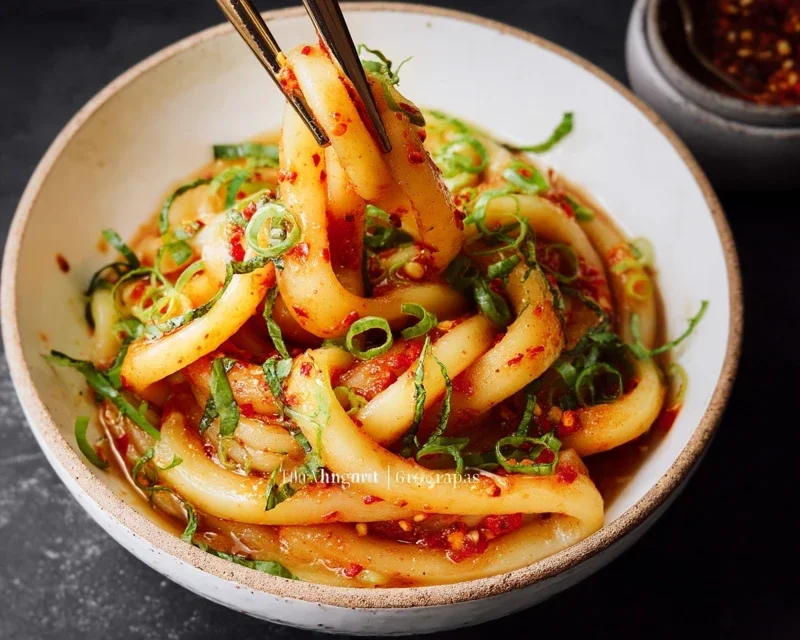
10. Finally, remove the skillet from the heat. Sprinkle the roughly chopped cilantro over the noodles. Give it one last gentle toss. Serve immediately in bowls. The combination of the chewy potato noodles, the zesty and spicy sauce, and the fresh herbs is simply divine. Enjoy every single bite of these incredibly satisfying Spicy Potato Noodles!
Conclusion:
I truly hope you’ve enjoyed exploring the world of Spicy Potato Noodles! This recipe is a fantastic way to transform simple ingredients into a deeply satisfying and flavor-packed meal. The beauty of these noodles lies in their inherent comfort, the delightful chegrape juicess that potato starch provides, and of course, that kick of spice that can be adjusted to your preference. It’s a dish that’s both wonderfully approachable for a weeknight dinner and exciting enough to impress guests.
Don’t be afraid to get creative with serving! These Spicy Potato Noodles are wonderful on their own, but they also pair beautifully with a side of steamed or stir-fried greens like bok choy or gai lan. For a protein boost, consider adding some pan-fried tofu, shredded chicken, or even some succulent shrimp. If you’re feeling adventurous, try incorporating some finely chopped mushrooms or a sprinkle of toasted sesame seeds for added texture and flavor. The possibilities are truly endless!
So please, I wholeheartedly encourage you to give this recipe a try. It’s a rewarding experience that I’m confident you’ll love. Experiment with the spice levels, play with your favorite toppings, and make these Spicy Potato Noodles your own!
Frequently Asked Questions:
Can I make the spice level milder or hotter?
Absolutely! The spice comes from chili flakes or chili oil. For a milder version, simply reduce the amount of chili used. For extra heat, feel free to add more, or even incorporate a touch of sriracha or a fresh chili pepper when stir-frying the aromatics.
What if I don’t have potato starch? Can I use something else for the noodles?
While potato starch is key for the signature texture of these noodles, you can achieve a similar chegrape juicess with tapioca starch or cornstarch. However, the final texture might be slightly different. Regular wheat flour noodles will not yield the same result.
How long do these noodles keep in the refrigerator?
Leftover Spicy Potato Noodles can be stored in an airtight container in the refrigerator for up to 2 days. When reheating, it’s best to add a splash of water or broth to prevent them from becoming too dry and clumpy. Stir-frying them briefly is ideal.
Spicy Potato Noodles
Chewy and spicy potato noodles with a savory garlic and chili sauce, perfect for a quick and flavorful meal.
Ingredients
-
1.1 pounds russet potato, peeled and cut into 1 inch pieces
-
½ teaspoon salt
-
1½ cup potato starch
-
½ cup water, warm
-
2 tablespoons regular soy sauce
-
2 tablespoons Chinese black vinegar
-
2 tablespoons gochugaru (coarse)
-
1¼ teaspoons granulated sugar
-
⅛ teaspoon salt
-
2 tablespoons garlic, minced
-
1 stalk green onion, sliced
-
3 tablespoons oil
-
⅓ cup cilantro, roughly chopped
Instructions
-
Step 1
Boil the potato pieces in water with ½ teaspoon salt until fork-tender, about 15-20 minutes. -
Step 2
Drain the potatoes and mash them thoroughly until smooth. Let cool slightly. -
Step 3
In a bowl, combine the mashed potatoes with 1½ cups potato starch and ½ cup warm water. Mix until a cohesive dough forms. Knead briefly until smooth. -
Step 4
Roll the dough into long ropes, about ½ inch thick. Cut the ropes into 3-4 inch lengths. -
Step 5
Bring a pot of water to a boil. Cook the noodles in batches until they float to the surface, about 3-5 minutes. Drain and set aside. -
Step 6
In a separate bowl, whisk together soy sauce, black vinegar, gochugaru, sugar, ⅛ teaspoon salt, and minced garlic to create the sauce. -
Step 7
Heat the oil in a skillet over medium heat. Add the cooked noodles and pour the sauce over them. Toss to coat evenly. -
Step 8
Stir in sliced green onions and chopped cilantro. Serve immediately.
Important Information
Nutrition Facts (Per Serving)
It is important to consider this information as approximate and not to use it as definitive health advice.
Allergy Information
Please check ingredients for potential allergens and consult a health professional if in doubt.